
BYD 300MW Energy Storage System
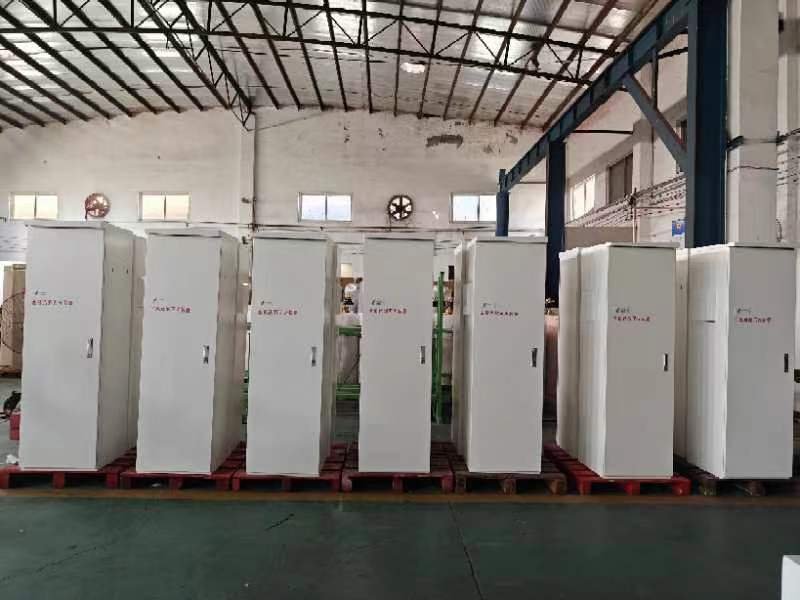
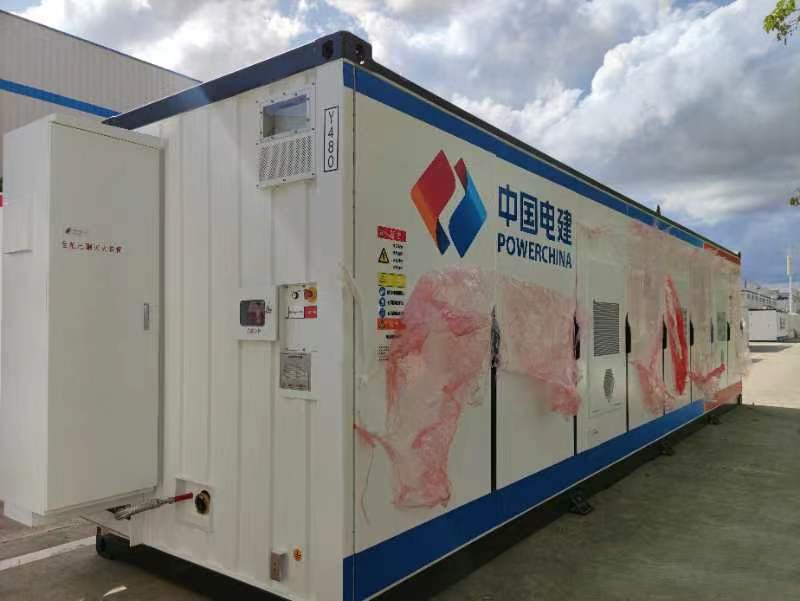
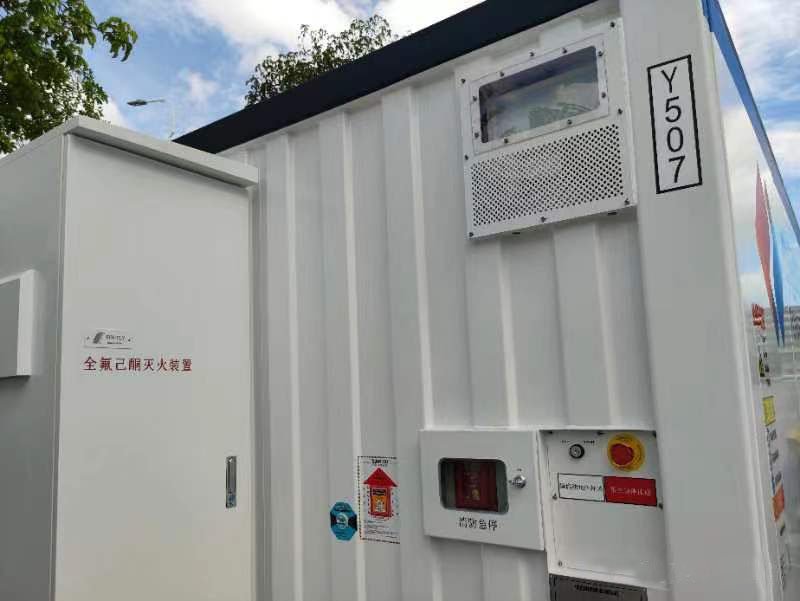
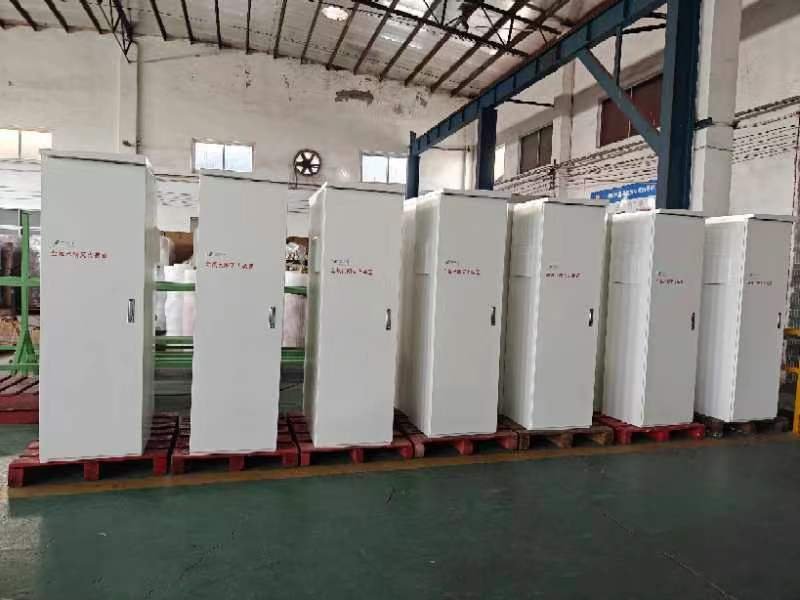
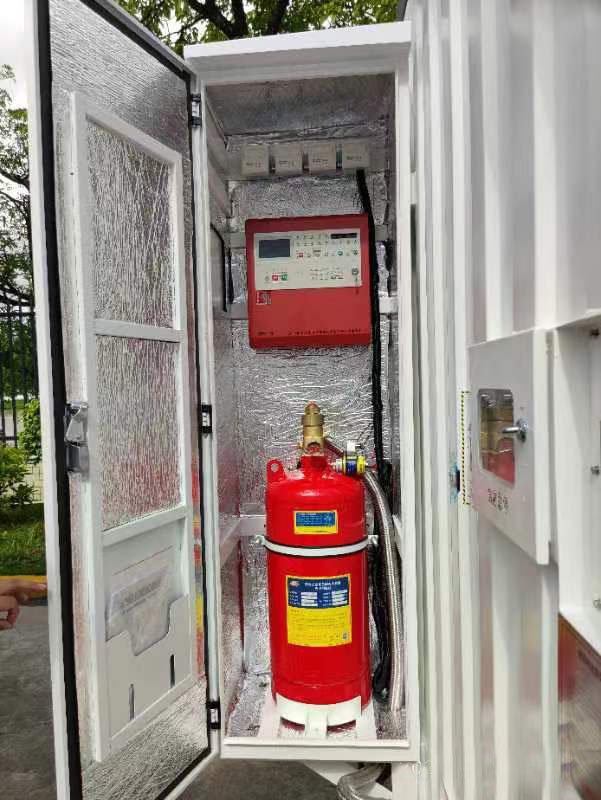
This project is a large-scale LFP battery energy storage station, a core infrastructure for grid-side peak shaving and renewable integration. According to relevant standards, Novec 1230 fire suppression systems are required for energy storage cabins.
Description
BYD 300MW
Product Description
Project Objective
BYD 300MW
Introduction to project objectives
3.1 Compliance and Compliance Goals
Strictly in accordance with GB 51048, GB/T 42288, UL 9540A, and BYD enterprise standards, we have completed the design, construction, and joint debugging of the prefabricated cabin PACK level and cabin level two-level perfluorohexane fire extinguishing system, and passed the fire safety acceptance, grid connection safety review, and BYD internal EHS certification in one go;
3.2 Rapid suppression target for thermal runaway
Build a closed-loop system of “multi-sensor early warning → BMS linked power-off → rapid release of perfluorohexane → deep cooling+suppression of reignition”;
3.3 Asset Non Destructive and Continuous Operation Objectives
Fire extinguishing agent insulation (110kV/cm), no residue, no corrosion, no need to clean after extinguishing, can resume operation after ventilation; Ensure that core equipment such as battery clusters/PCS/BMS/high-voltage cabinets are 100% undamaged in fire scenarios to avoid secondary losses.
3.4 Green and low-carbon targets
Adopting environmentally friendly perfluorohexane with ODP=0 and GWP=1, it has no ozone layer damage and extremely low greenhouse effect, which is in line with BYD’s “Green Manufacturing, Zero Carbon Park” strategy and the national dual carbon policy.
3.5 Intelligent operation and reliability objectives
The system is deeply linked with the energy storage EMS/BMS/dynamic environment platform, with a design life of ≥ 10 years, an average annual failure rate of<0.5%, and an annual reliable operation rate of ≥ 99.9%, reducing operation and maintenance intensity and costs.
Project achievements
BYD 300MW
Introduction to project achievements
Complete the installation and linkage debugging of the two-stage perfluorohexane fire extinguishing system for all energy storage prefabricated cabins, battery clusters, PCS rooms, and equipment rooms, achieving precise suppression at PACK level and full coverage of cabin level submergence protection; The system has passed the fire safety inspection, grid connection review, and BYD EHS certification, becoming the benchmark for fire safety standards in BYD’s large-scale energy storage projects.